

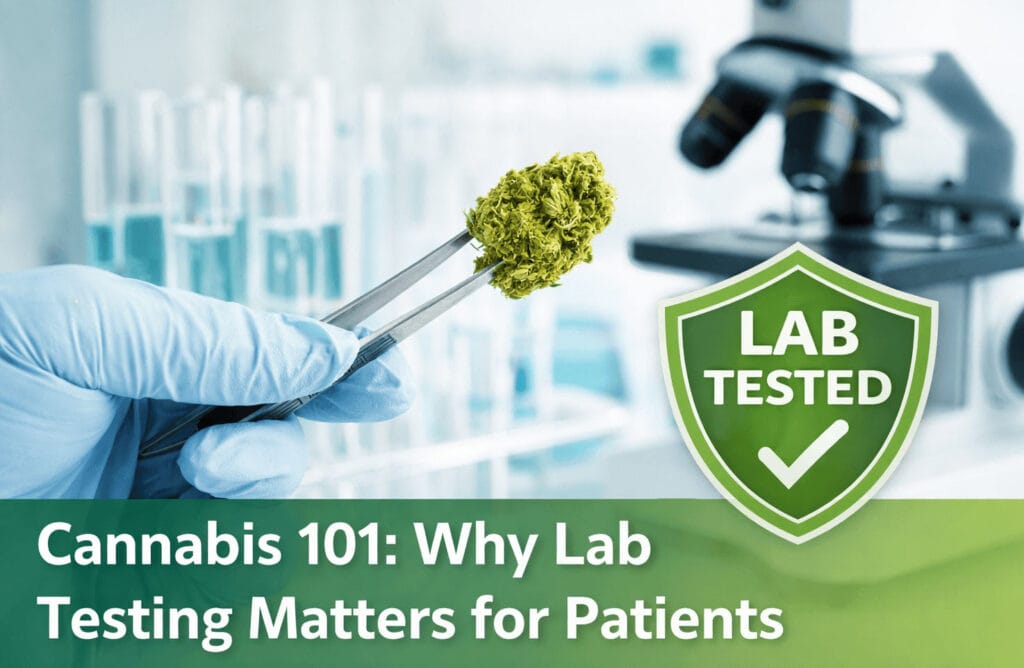
Lab testing matters for patients because it is one of the clearest safeguards separating regulated medical cannabis from guesswork. A label may say a product is potent, terpene-rich, or consistent, but without lab testing there is no reliable way to verify what is actually inside the jar, cartridge, edible, or concentrate. For Florida patients, understanding lab testing means understanding potency, contaminants, consistency, and whether a product is truly safe enough to use with confidence.
Introduction:
Florida’s medical cannabis system depends on testing to verify that products meet safety and labeling standards before patients buy them. That matters because patients are often making choices based on symptoms, tolerance, timing, and product type, and those decisions become much harder when labels are inaccurate or incomplete. Lab testing does not make every product perfect, but it gives patients a much stronger foundation for making informed decisions than untested cannabis ever could.
What Labs Test For:
Florida-approved cannabis labs commonly test for several categories that directly matter to patients. The first is potency, including THC, CBD, and other cannabinoids that influence how strong a product may feel. The second is terpene content, which can help patients better understand aroma, flavor, and potential differences in how products feel from one another. Labs also test for contaminants such as pesticides, mold, microbes, residual solvents, and heavy metals, because those issues can create serious safety concerns if they are not caught before sale.
Why Potency Accuracy Matters:
Potency accuracy matters because patients often choose products based on THC and CBD numbers, especially when trying to dial in dose, timing, and tolerance. If a label claims one strength but the real potency is higher or lower, a patient may end up underdosing, overdosing, or misjudging how the product fits into their routine. Accurate lab testing helps patients make more consistent decisions from purchase to purchase, which becomes especially important with edibles, concentrates, and products used for symptom management at specific times of day.
Why Contaminant Testing Protects Patients:
Contaminant testing may be the most important patient-safety layer in the entire system. Cannabis is a plant-based product, which means it can carry mold, mildew, pesticide residue, microbial contamination, or heavy metals if cultivation, extraction, or storage goes wrong. Patients who are immunocompromised or already dealing with health issues have even more reason to care about these risks. A product may look and smell great, but lab testing is what helps confirm that appearance is not hiding a safety problem.
What a COA Can Tell You:
A Certificate of Analysis, often called a COA, gives patients a closer look at what was actually tested in a specific batch. A good COA can show total THC, THCA, CBD, terpene totals, top individual terpenes, and the pass or fail status for contaminants. For patients trying to become more informed shoppers, reviewing a COA can help answer practical questions like whether the terpene content is meaningful, whether the batch matches the label, and whether the product passed the required safety checks.
What Patients Should Watch For?
Patients should not assume that every product label tells the full story on its own. It is smart to look for accessible COAs, batch-specific test results, and clear labeling that matches what the product is supposed to be. If a product has no easy way to verify test data, that should raise concern. Patients should also understand that terpene totals, cannabinoid ratios, and batch-to-batch variation can explain why one version of the same strain feels different from another.
Practical Tips for Florida Patients
- Check whether a product has a batch-specific COA available.
- Compare THC and terpene totals to what is printed on the package.
- Pay attention to contaminant testing, not just potency.
- Keep track of which tested products actually work best for your needs.
- Be cautious about products with no accessible lab data or unclear labeling.
Final Thoughts
Lab testing is not just paperwork. For patients, it is one of the most important systems protecting safety, consistency, and informed decision-making in the Florida medical market. Understanding how to read potency, terpene, and contaminant data can help patients become more confident and selective over time. The more a patient understands what is in a product and how that batch was verified, the less they have to rely on guesswork.
For more patient education resources, visit our Education Center.
To learn more on the FDA guidance on contaminants and product safety Click Here.